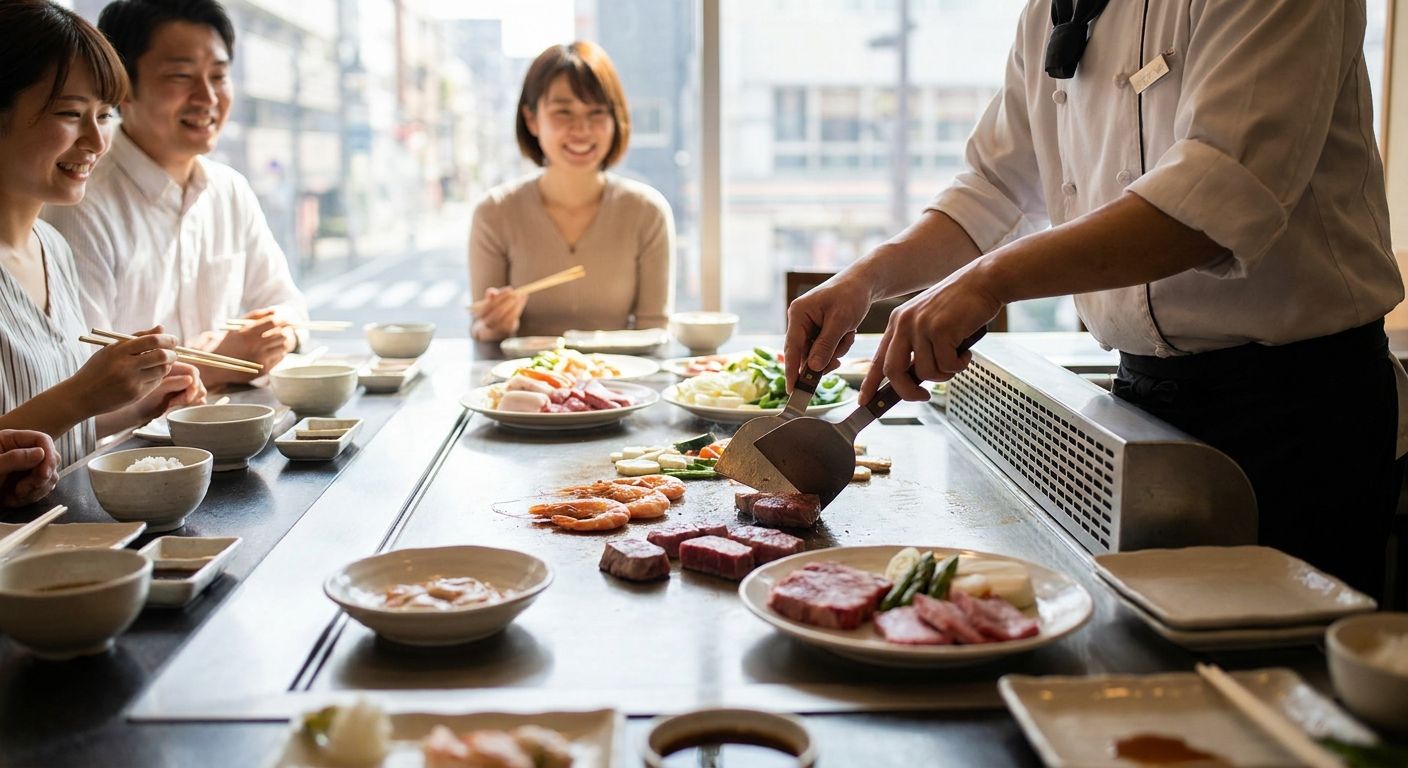

A high-protein buffet for the fitness crowd isn't the same search as a regular all-you-can-eat night out — you're hunting grams, not just flavor, and Bangkok's buffet scene in 2026 has enough grilled-meat and seafood spreads to make that hunt worth it.
- บุฟเฟ่ต์โปรตีนสูง สายฟิตเนส means picking grilled meat and seafood buffets over rice-heavy spreads — Korean BBQ and moo kratha lead in 2026.
- Korean BBQ buffet in Bangkok delivers the highest protein density per plate — Buy for bulking phases.
- Moo kratha buffet is the budget-friendly protein pick for daily training weeks — Buy.
- Seafood buffet works for lean-cutting phases with shrimp and fish over fatty cuts — Consider.
- Skip fried-batter Asian buffets and dessert-heavy spreads if your macros actually matter this month.
Why this matters
Most buffet guides rank on flavor and photo appeal. That's the wrong lens if you're tracking protein against a training block.
A fitness-focused diner needs a spread built around grilled meat, seafood, and lean proteins — not a carb-loaded spread that just happens to have a few skewers on the side. The difference between a good pick and a bad one here is often 40-60 grams of protein per sitting, and that gap decides whether the meal supports your training or just fills a calorie budget.
Hungry Hub lists reservation slots across dozens of Bangkok buffet formats on web.hungryhub.com, which makes it easier to filter by protein-forward categories like Korean BBQ, yakiniku, and moo kratha instead of scrolling generic "best buffet" lists.
Who this is for
This guide is for the gym-goer, the marathon trainer, the physique competitor mid-prep, or anyone tracking macros who still wants to eat out in Bangkok without blowing a training week on white rice and fried dough. If you're counting protein against bodyweight targets, the buffet format matters more than the restaurant's star rating.
What to look for in a high-protein buffet for fitness diners
Grilled or raw protein stations, not fried batter
Grilled meat, sashimi, and shellfish keep protein density high without the oil load that fried buffet items carry. A Korean BBQ or yakiniku spread puts protein on your plate without a breading layer sitting between you and the meat.
Variety of lean cuts, not just fatty pork belly
A buffet built entirely on pork belly and beef short rib pushes fat intake up fast. Look for spreads that rotate chicken thigh, shrimp, squid, and firm white fish alongside the fattier cuts — that mix keeps protein climbing without doubling your fat total.
Cook-it-yourself format over pre-sauced trays
Self-grill formats like moo kratha and yakiniku let you control sauce and oil at the table. Pre-sauced steam-tray buffets hide added sugar and oil you can't see or measure.
Seafood-on-ice or sashimi sections
Shrimp, crab, and raw fish sections deliver protein with minimal fat and near-zero carbs — useful when you're cutting rather than bulking. A seafood-heavy spread gives you room to eat volume without spiking calories.
Reservation flexibility around training schedules
Fitness diners eat at odd hours — post-lunch training blocks, early dinners before a 6am session. A buffet booking that lets you lock a slot around your training window beats a walk-in queue that eats into recovery time.
Portion pacing that supports multiple plates
All-you-can-eat only helps your macros if the format supports round after round of protein without a 90-minute time cap that cuts you off at plate two. Check the time limit before you book if you're planning to eat in volume.
Top picks for 2026
Korean BBQ Buffet — the protein powerhouse. Grilled beef, pork belly, and marinated chicken thigh rotate through most Korean BBQ spreads in Bangkok, and a self-grill format means you control how much oil hits the pan. A typical plate of grilled beef bulgogi and chicken thigh runs 25-30 grams of protein per 100 grams of meat — stack four or five rounds and you're well past 100 grams for the sitting. Check current Korean BBQ buffet listings on Hungry Hub before booking a weekend slot, since these fill fast. Buy for bulking phases or post-leg-day refeeds.
Moo Kratha Buffet — the budget pick. This Thai-style grill buffet runs cheaper than Korean BBQ across most Bangkok locations while still centering on grilled pork, chicken, and seafood over a hot plate. It's the format that lets you eat protein-heavy three or four times a week without wrecking a food budget. Browse moo kratha buffet options and book ahead for dinner slots, which move faster than lunch. Buy for regular training-week meals.
Seafood Buffet — the lean-cut pick. Shrimp, squid, crab, and white fish dominate a seafood spread, and shellfish protein comes with almost none of the saturated fat you get from red meat. A cup of steamed shrimp alone can carry 20+ grams of protein with barely any carbs attached. Check seafood buffet availability for 2026 if you're in a cutting phase and need volume without the calorie tax. Consider — great for cutting, less ideal if you need higher total calories for a bulk.
Sashimi and Sushi Train Buffet — the wildcard. Raw fish delivers protein with almost zero cooking oil, and a sushi train format keeps portions moving so you're not stuck waiting on a single grill station. It skews pricier per gram of protein than moo kratha, and rice-wrapped rolls add carbs you'll want to track separately if sushi is the bulk of your plate. Consider — works best paired with sashimi-only rounds rather than roll-heavy plates.
Steakhouse Buffet — the splurge pick. A steakhouse spread puts red meat protein density at the top of the list, often pairing sirloin and ribeye cuts with a smaller seafood side. It's the priciest format on this list and best saved for a single high-calorie refeed day rather than a weekly habit. Skip for regular training weeks, Consider for a planned cheat-and-refeed meal once a month.
Book a protein-forward buffet slot
Reserve a Bangkok buffet built around grilled meat and seafood before the week's training block.
What to avoid
- Fried dim sum and dumpling-heavy Chinese buffets — batter and pastry wrappers push carb and fat totals up while protein stays flat per plate.
- Dessert-station-heavy hotel brunches — a buffet marketed around cake and pastry stations often buries its protein options behind three dessert tables.
- Rice-and-noodle-forward set menus — a set menu built around fried rice or pad thai as the centerpiece leaves little room for a real protein station, no matter how big the portions look.
Verdict comparison
| Format | Protein density | Fat load | Price tier | 2026 Verdict |
|---|---|---|---|---|
| Korean BBQ | High (25-30g/100g meat) | Medium-high | Mid | Buy for bulking |
| Moo Kratha | High | Medium | Low | Buy for regular weeks |
| Seafood | High, low-fat | Low | Mid-high | Consider for cutting |
| Sashimi/Sushi Train | Medium-high | Low | Mid-high | Consider |
| Steakhouse | Very high | High | High | Skip weekly, Consider monthly |
FAQ
What is the best high-protein buffet for fitness diners in Bangkok in 2026?
Korean BBQ buffets rank highest for protein density in Bangkok in 2026, with grilled beef and chicken thigh running 25-30 grams of protein per 100 grams of meat. Moo kratha buffets are the budget alternative for eating this way multiple times a week.
Is moo kratha or Korean BBQ better for high-protein eating?
Both are grill-it-yourself formats with similar protein profiles, but moo kratha typically costs less across Bangkok locations, making it better for frequent training-week meals. Korean BBQ often has a wider variety of marinated cuts, which suits occasional bulking meals.
How much protein can you get from a seafood buffet?
A single serving of steamed shrimp can carry over 20 grams of protein with minimal fat, and crab and white fish sections add more without pushing calories up. Seafood buffets work well for cutting phases where you need protein volume without a high calorie total.
Should I avoid rice at a high-protein buffet?
You don't need to avoid rice entirely, but centering plates on grilled meat and seafood stations before filling up on rice keeps the protein-to-carb ratio in your favor. Treat rice as a side, not the main event, if macros matter that day.
Are sushi train buffets good for high-protein diets?
Sashimi rounds on a sushi train deliver protein with almost no added fat, but rice-wrapped rolls add carbs that add up fast if you eat roll-heavy. Stick mostly to sashimi plates if you're tracking macros closely.
How do I book a high-protein buffet in advance?
Reservation platforms like Hungry Hub let you filter Bangkok buffets by category and book a time slot ahead of a training day. Booking ahead matters most for popular formats like Korean BBQ, which fill weekend dinner slots quickly.
What should fitness diners skip at a buffet?
Skip fried batter dishes, dessert-heavy dim sum spreads, and rice-and-noodle-centered set menus if protein density is the goal for the meal. These formats fill you up on carbs and fat before you reach a real protein count.
Is a steakhouse buffet worth it for bulking?
A steakhouse buffet delivers very high protein density through cuts like sirloin and ribeye, but the fat load and price tier make it better suited to an occasional refeed day than a weekly habit in 2026.
One last thing
The biggest mistake fitness diners make at a Bangkok buffet isn't picking the wrong restaurant — it's pacing the meal wrong. Grazing slowly across dessert and rice stations first fills stomach volume before you've touched the grill station, which caps how much actual protein you get in before you're full. Hit the grill or seafood section on round one, every time, and you'll walk out with double the protein for the same calorie total.