Finding a real gluten-free buffet in Bangkok means checking more than a menu tag — it means asking about fryers, sauces, and cross-contact before you sit down. This guide breaks down what to look for, which buffet styles are safest, and where Hungry Hub lists options worth booking in 2026.
- Japanese sashimi and sushi-train buffets carry the lowest gluten risk in Bangkok — Buy verdict for celiac diners.
- A true บุฟเฟ่ต์ปลอดกลูเตน needs a dedicated prep station, not just a gluten-free label on one dish.
- Halal-certified buffets often disclose ingredients in more detail, making them easier to vet — Consider verdict.
- Bread-heavy Western buffets and tempura-style Japanese spreads carry the highest cross-contact risk — Skip verdict.
Why This Matters
Celiac disease and gluten intolerance don't leave room for guesswork at an all-you-can-eat spread where dozens of dishes share tongs, ladles, and fryer oil. A single shared spoon between a soy-sauce marinade and a rice dish can undo an otherwise safe meal. In 2026, Bangkok's buffet scene has grown large enough that filtering by dietary need is realistic — but it takes knowing which cuisines and formats actually reduce risk. Hungry Hub lists reservation-based buffets across the city, which matters here because pre-booking gives you a chance to call ahead and confirm prep details before you commit a seat and a deposit.
Who This Guide Is For
This is for diners managing celiac disease, non-celiac gluten sensitivity, or wheat allergy who still want the volume and variety of a buffet format in Bangkok. It's for people who've been burned before — bloating after a "gluten-free" salad bar that shared tongs with the bread station, or a set menu where the sauce base wasn't disclosed until the bill arrived. If you need certainty over convenience, the criteria below are built for you specifically, not for casual diners who can tolerate a little cross-contact.
What to Look For in a Gluten-Free Buffet in Bangkok
Dedicated Prep Areas Away From Wheat and Soy Sauce
A buffet station that plates sashimi next to a shared soy-sauce reduction isn't gluten-free no matter what the sign says. Ask whether raw proteins are prepped on a separate board and whether the dipping sauces are tamari-based or standard soy. This single question eliminates more risk than reading any menu description.
Menus With Ingredient Labels, Not Just Staff Promises
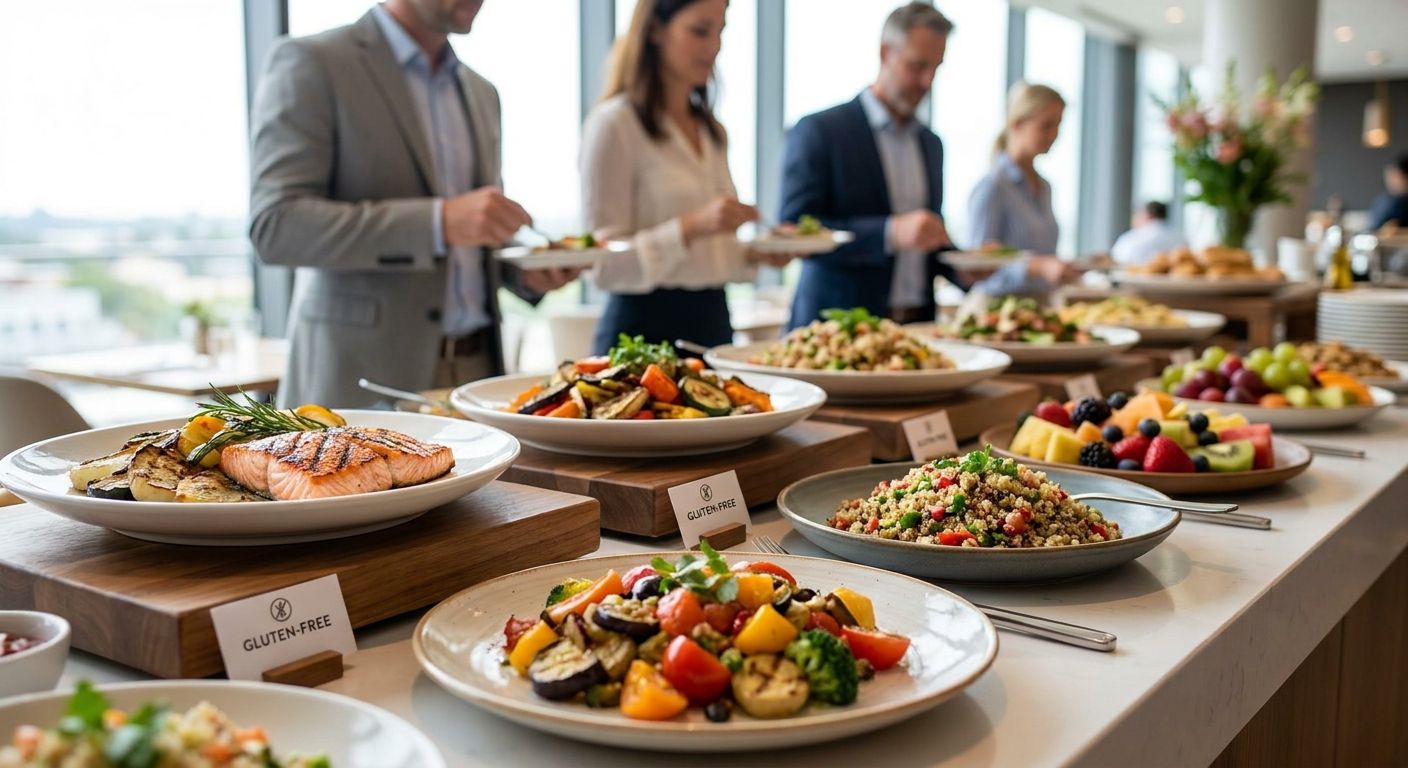
A laminated card next to each tray that lists allergens beats a server saying "should be fine" every time. Buffets that print ingredient lists tend to have kitchens that actually track cross-contact, because someone had to compile that list in the first place.
Protein-Heavy Buffets Beat Bread-Heavy Ones
Steak, seafood-on-ice, and sashimi spreads naturally contain fewer wheat-based fillers than Western brunch buffets loaded with pastries, breaded proteins, and roux-based sauces. The fewer flour-adjacent dishes on the line, the fewer chances for a shared utensil to cross into your plate.
Reservation Flexibility for Last-Minute Symptom Flares
Celiac symptoms don't wait for a convenient night. A buffet that lets you reschedule without penalty within a reasonable window matters more here than for the average diner, because a flare-up the morning of your reservation shouldn't cost you a deposit.
Price Transparency on Add-Ons and Corkage
Some buffets charge extra for substitutions like swapping a battered dish for a grilled one. Confirm this before booking — a 2026 buffet listing that hides substitution fees in fine print isn't worth the hassle when you're already limiting your options.
Book a buffet that fits your diet
Browse Bangkok buffet listings and filter by cuisine before you reserve.
Top Picks for Gluten-Free Buffet Dining in Bangkok
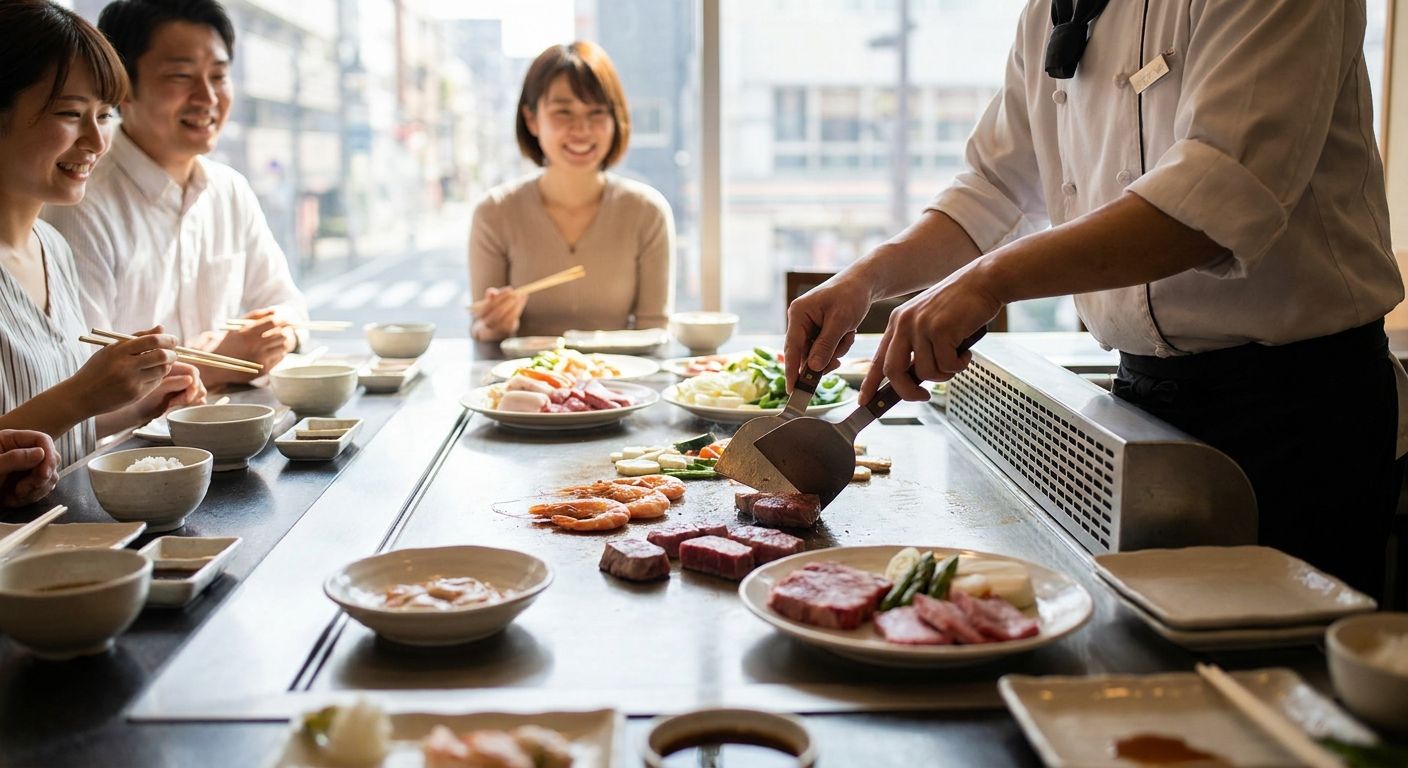
The Safe Pick: Japanese Sashimi and Sushi-Train Buffets
Raw fish, grilled proteins, and rice are naturally low-risk, and most sashimi lines use tamari or dedicated gluten-free soy sauce on request. Best Japanese buffet in Bangkok now rounds up spreads where sashimi and sushi-train dishes dominate over tempura and katsu. One number worth knowing: sashimi-forward buffets typically run 4-6 protein stations versus 1-2 fried stations, tilting the risk math in your favor. Buy.
The Label-First Pick: Halal-Certified Buffets
Halal certification forces kitchens to document every ingredient and sauce base, which incidentally makes gluten tracking easier too. Best halal buffet restaurants in Bangkok lists spreads where staff are trained to answer ingredient questions in detail because they already field them for halal compliance. Consider — confirm the sauce base still applies to gluten specifically, since halal doesn't automatically mean gluten-free.
The Produce-Heavy Pick: Vegetarian and Jay Buffets
Jay-style buffets skip soy sauce marinades common in Thai-Chinese cooking and lean on salt, chili, and vegetable stock instead, which lowers hidden-wheat risk. Vegetarian and jay buffet listings in Bangkok are worth checking specifically for rice-based and vegetable-forward dishes over fried tofu, which is often battered. Consider, with a direct question about tofu preparation before you sit down.
The Wildcard: Korean BBQ Buffets
Grilled meat with side sauces gives you more control than a pre-mixed buffet dish, since you can skip any sauce that looks questionable and stick to the grill itself. The catch: Korean BBQ marinades almost always contain wheat-based soy sauce, so the "safe" part is limited to the meat before it hits the marinade bowl. Skip unless the venue confirms a gluten-free marinade option in advance.
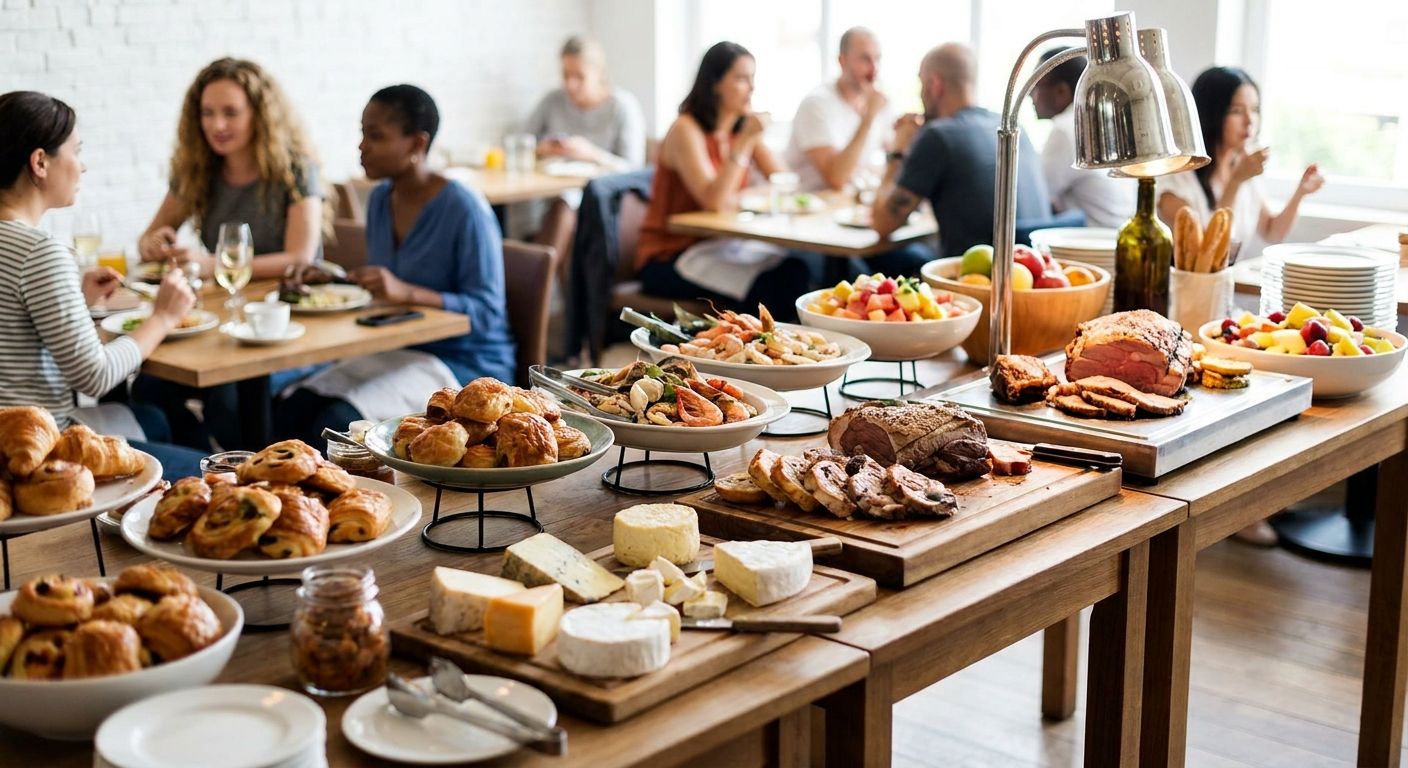
The One to Skip: Western Brunch and Pastry-Heavy Buffets
Croissants, waffle stations, and breaded proteins sitting a few inches from everything else on the line make cross-contact close to unavoidable, even with tongs assigned per station. These buffets are built around bread as the centerpiece, which is the opposite of what a celiac or gluten-sensitive diner needs in 2026. Skip.
What to Avoid
- "Gluten-friendly" labeling without a kitchen walkthrough. The term isn't regulated, and it often means one dish was modified while the rest of the line wasn't.
- All-you-can-eat tempura and katsu buffets marketed as "Japanese." Batter is wheat flour, and it's usually fried in shared oil with other coated items.
- Set menus that swap dishes without confirming the sauce, not just the protein. A grilled chicken swap still fails if the marinade underneath is standard soy sauce.
Verdict Comparison
| Buffet Style | Cross-Contact Risk | Ingredient Labeling | Verdict |
|---|---|---|---|
| Japanese sashimi/sushi-train | Low | Often available on request | Buy |
| Halal-certified | Low-Medium | Detailed, staff-trained | Consider |
| Vegetarian/Jay | Medium | Varies by venue | Consider |
| Korean BBQ | Medium-High | Rarely detailed | Skip (unless confirmed) |
| Western brunch/pastry | High | Minimal | Skip |
“If the buffet can't tell you which sauces are soy-based, the gluten-free label on the salad bar doesn't matter.”
Budget also plays into which style you can realistically book. How to choose the best buffet for your budget walks through price tiers across Bangkok buffet formats, which is useful here since the safest picks — sashimi and halal-certified spreads — tend to sit at the higher end of the pricing range in 2026.
FAQ
Is there a fully certified gluten-free buffet in Bangkok?
No widely certified 100% gluten-free buffet exists in Bangkok as of 2026 — most venues offer gluten-conscious dishes within a shared kitchen, not a dedicated allergen-free facility. Sashimi and halal-certified buffets carry the lowest documented cross-contact risk.
What is บุฟเฟ่ต์ปลอดกลูเตน in English?
บุฟเฟ่ต์ปลอดกลูเตน translates to gluten-free buffet, referring to all-you-can-eat spreads with dishes free of wheat, barley, and rye-based ingredients. In Bangkok, this usually means sashimi, grilled protein, or vegetable-forward buffets rather than bread or batter-heavy formats.
Are Japanese buffets safe for celiac diners?
Sashimi and sushi-train sections are generally safer than tempura or katsu sections at the same buffet. Ask specifically for tamari or gluten-free soy sauce, since standard soy sauce contains wheat.
Is halal buffet food automatically gluten-free?
No, halal certification governs meat sourcing and preparation, not gluten content. Many halal-certified buffets do document ingredients in more detail, which makes gluten screening easier, but it's not automatic.
How much does a gluten-free-friendly buffet cost in Bangkok?
Pricing follows the same range as standard buffets in the same category, since gluten-free dining here means selecting safer dishes rather than paying for a separate menu. Sashimi and hotel-style spreads sit toward the higher end of the 2026 buffet pricing range.
Can I reschedule a buffet reservation if I have a gluten reaction the day before?
Most Bangkok buffet reservations allow changes within a set window before the booking time. Check the specific cancellation policy on the listing before you book if flexibility matters to your dietary situation.
What should I ask staff before eating at a buffet with celiac disease?
Ask whether raw proteins are prepped on separate boards, whether soy sauce is standard or gluten-free, and whether fried items share oil with breaded dishes. These three questions cover most of the real risk on a buffet line.
One Last Thing
The detail most diners miss: fryer oil is shared far more often than sauce bowls. A buffet can offer a gluten-free soy sauce on request and still cross-contaminate every fried item on the line through one shared fryer basket — so the fryer question matters more than the sauce question in most Bangkok kitchens.